Books

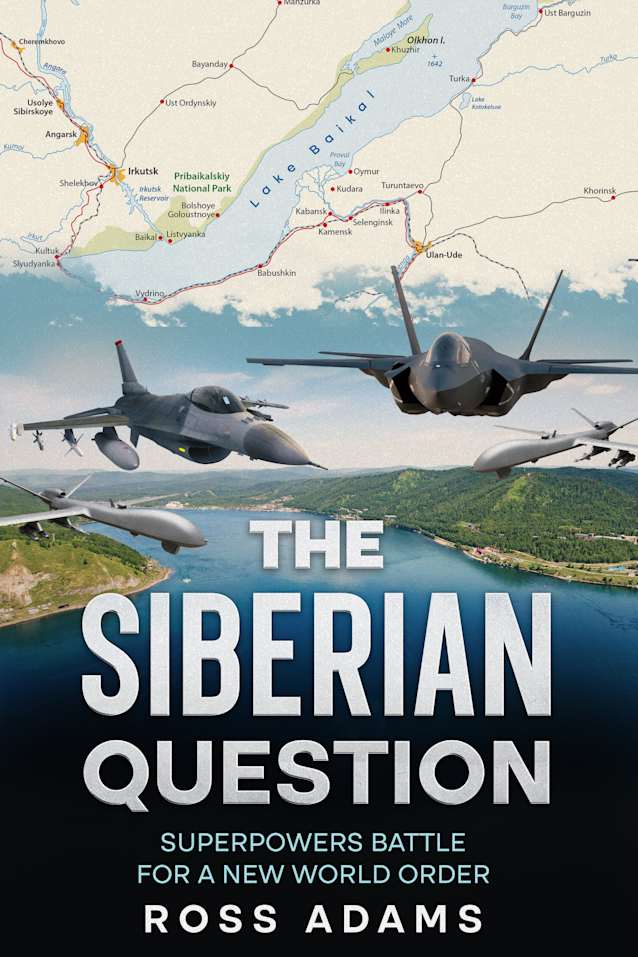
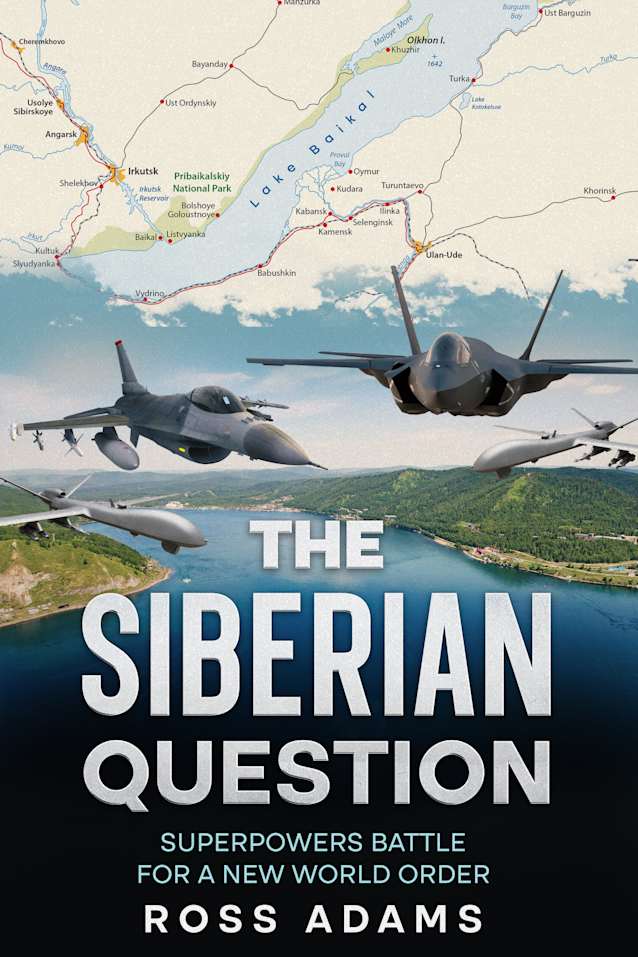
The Siberian Question

A Hammurabi Code Novel
Book #2 from the series: The Hammurabi Code Series
What happens when water becomes more valuable than oil?

The Siberian Question explores how resource scarcity begins to reshape global power. Quietly at first, then all at once. As pressure builds across economic, political, and environmental systems, small fractures begin to form. What appears stable starts to shift. And by the time those changes...

Read more

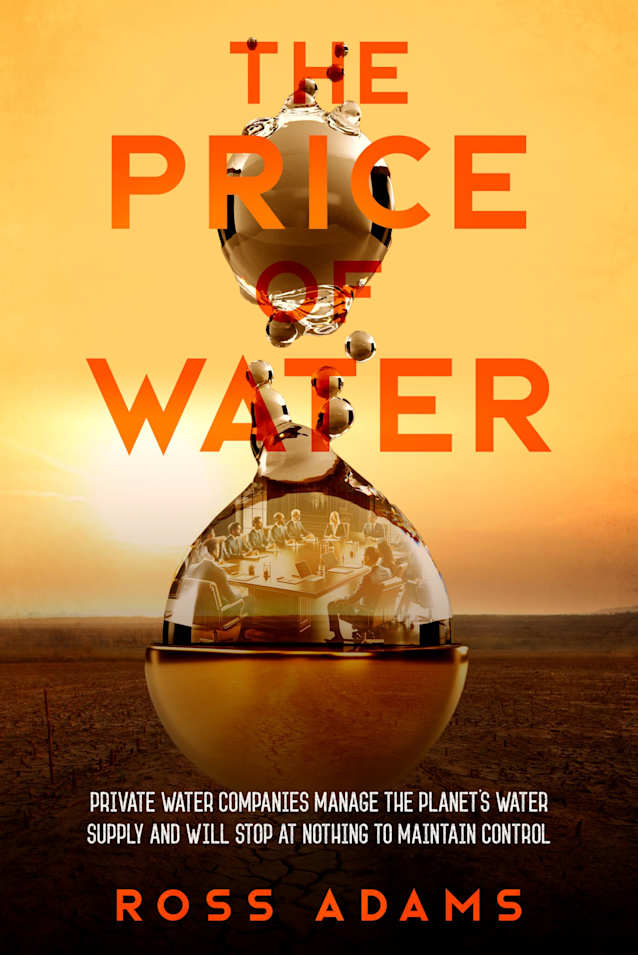
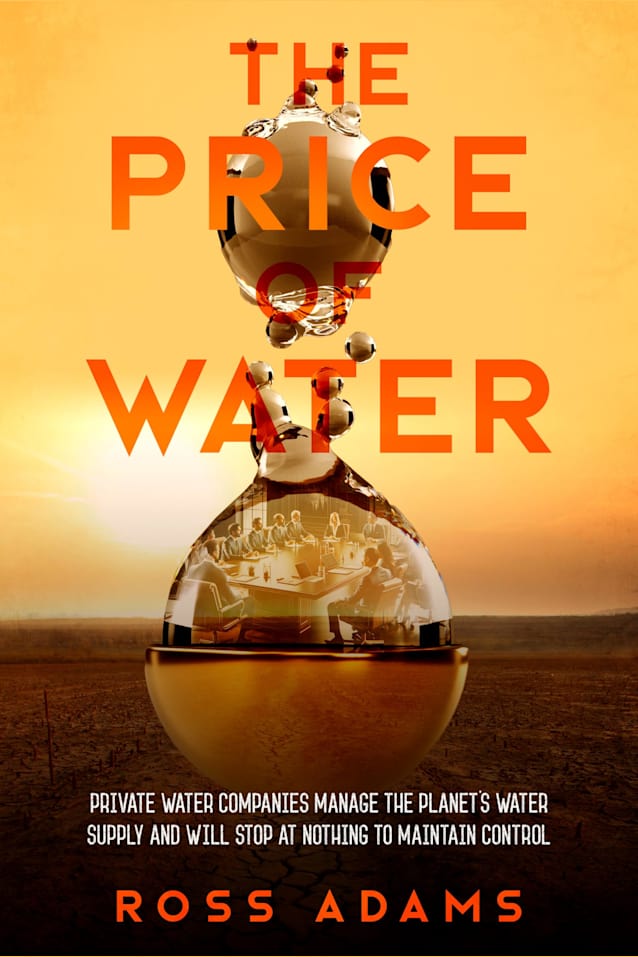
The Price of Water

A Hammurabi Code Novel
Book #1 from the series: The Hammurabi Code Series

What happens after the shift?

The Price of Water explores the consequences, when the pressures that once built quietly begin to reshape the world in full. Systems that once held begin to fail. Access becomes power. Stability becomes uncertain. And the cost of control becomes impossible to ignore.

This is what follows.

Latest Updates

Now that I've got The Price of Water and The Siberian Question out in the world,, the third book in The Hammurabi Series is underway, The Iranian Promise. Trump's war on Iran...

I am proud to announce that The Siberian Question is now available for purchase at books.by/rossadams for the paperback and at all of the usual publishing platforms for the...

I am getting very excited about the release of The Siberian Question on Monday, February 9, 2026. Right now anyone can pre-order the eBook on Amazon, GooglePlay, AppleBooks or...

View All

Blog

It isn't the shortage that reshapes geopolitics. It's who controls the shortage.

In the autumn of 1973, the members of the Organization of Arab Petroleum Exporting Countries announced an embargo on oil exports to the United States, Western Europe, and Japan. The stated reason was political. Retaliation for Western support of Israel during the Yom Kippur War. The actual mechanism was resource control.

Within months, the price of oil had quadrupled. Gasoline lines stretched around city blocks in...

Pressure Points — Why Systems Fail Gradually The sudden part is all anyone

The sudden part is all anyone remembers. The gradual part is where everything was decided.

History remembers collapse. It does not remember the accumulation that preceded it.

We remember the stock market crash of 1929. We don't remember the eighteen months of deteriorating lending standards, overleveraged positions, and other ignored warning signals that made the crash inevitable before it happened. We remember the fall of the Soviet Union in 1991. Many don't remember the decades of structural...

The mechanism is not scarcity. It is asymmetry.

When people think about water as a geopolitical issue, they think about scarcity. Drought. Shortage. The image of a dried lakebed or a depleted reservoir. The assumption is that water becomes politically significant when there isn't enough of it.

That assumption is incomplete in a way that matters enormously. Water doesn't become leverage because it is scarce. Water becomes leverage because it is unevenly scarce. Abundant in one location,...

View All